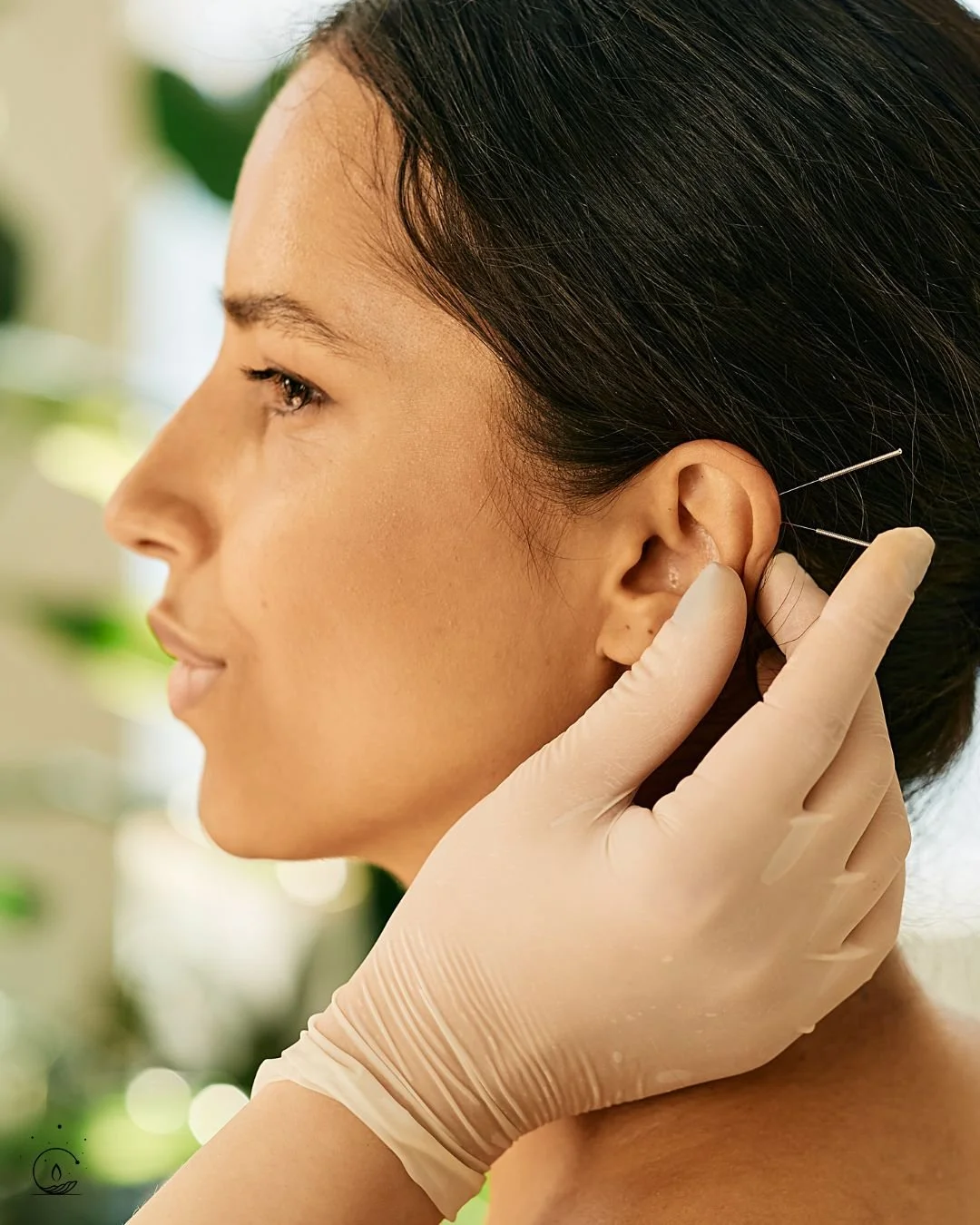
Trauma lives in the body. Anyone who has worked with survivors of disaster, violence, chronic stress, or loss knows this. The racing heart. The shallow breath. The sleep that won't come. The hypervigilance that doesn't turn off even when the danger has passed.
Mainstream mental health care has made real progress in addressing trauma, but it doesn't reach everyone. Some people need something that works differently, something that meets the body where it is. Acupuncture for trauma is increasingly recognized as one of those options, and the research behind it is worth taking seriously.
What Trauma Does to the Nervous System
Post-traumatic stress disorder (PTSD) and trauma-related conditions aren't just emotional; they're physiological. Trauma dysregulates the HPA (hypothalamic-pituitary-adrenal) axis, disrupts cortisol rhythms, alters hippocampal function, and keeps the autonomic nervous system locked in a state of threat response. Symptoms like hyperarousal, intrusive memories, emotional numbing, and sleep disturbance are the body's learned survival adaptations, not character flaws or signs of weakness.
This physiological reality matters because it shapes what healing requires. Talking about a traumatic event doesn't automatically resolve the nervous system patterns it created. That's where body-based approaches, including acupuncture, offer something distinct.
What the Research Shows About Acupuncture for Trauma
Acupuncture for PTSD is no longer a fringe conversation. The evidence base has grown substantially over the past decade, and it's being published in mainstream psychiatric and neuroscience journals.
A 2024 randomized clinical trial published in JAMA Psychiatry compared acupuncture to sham acupuncture (minimal needling) in combat veterans with PTSD, finding that acupuncture outperformed sham treatment on both clinical outcomes and physiological markers. The study concluded that acupuncture has meaningful effects on the psychobiology of PTSD, affecting not just reported symptoms but measurable changes in stress physiology.
A 2026 systematic review and meta-analysis (published in Current Psychology, Springer) synthesized data from randomized controlled trials across 8 major databases and found that acupuncture was an effective and well-tolerated intervention for PTSD and co-occurring depression and anxiety. Evidence certainty was rated high across all primary outcomes.
Research from Frontiers in Behavioral Neuroscience outlines the mechanisms: acupuncture modulates the HPA axis, regulates hippocampal stress hormone receptor expression, and influences neurotransmitter systems including serotonin and glutamate, all of which are disrupted in trauma-related conditions.
Ear Acupuncture: Accessible, Scalable, Community-Ready
Among the various forms of acupuncture for trauma, auricular (ear) acupuncture deserves special mention, particularly for community settings.
The ear contains the only surface-level access point to the vagus nerve in the body. Stimulating specific ear points activates the parasympathetic nervous system (the "rest and digest" counterpart to fight-or-flight), increasing vagal tone, reducing heart rate, and lowering cortisol. Research using fMRI has shown that auricular stimulation influences the limbic system's default network, which governs emotional regulation and stress response.
The NADA (National Acupuncture Detoxification Association) protocol is a standardized five-point ear acupuncture treatment that has been used extensively in disaster relief, addiction recovery, and community mental health for decades. Its appeal is practical: it can be delivered in group settings, doesn't require disrobing, takes 20–40 minutes, and carries minimal risk of adverse effects. It's been used following earthquakes, hurricanes, and mass displacement events precisely because it's scalable when demand overwhelms resources.
A systematic review specifically examining ear acupuncture for trauma-related disorders after large-scale disasters found that ear acupuncture improved overall PTSD symptoms, depression, and anxiety compared to baseline, with results comparable to pharmacotherapy in one RCT involving earthquake survivors.
Fire Survivors and Compound Trauma
Following the Eaton Fire and other recent LA County disasters, we're seeing the cumulative toll of compound trauma: not just the acute shock of displacement and loss, but the ongoing stress of recovery, navigating insurance, living in uncertainty, grieving homes and neighborhoods that no longer exist. For many community members, this sits on top of pre-existing chronic stress, economic instability, and limited access to mental health care.
This is the kind of trauma that requires multiple entry points. Not everyone is ready for talk therapy. Not everyone has the resources for regular clinical appointments. Community-based acupuncture, low-cost, group-format, and grounded in a somatic approach, can serve as a meaningful first step toward regulation and healing.
Not a Replacement. An Addition.
It's worth being direct about what acupuncture for trauma is and isn't. It is not a cure. It does not process memory or provide the kind of relational repair that therapy offers. For moderate to severe PTSD, it works best as part of a broader care plan.
What it does offer is nervous system support: a way to bring the body out of hyperarousal long enough to think more clearly, sleep more deeply, and engage more fully in other forms of healing. For some people, that shift is the thing that makes everything else possible.
Why This Matters for Community Health
Trauma disproportionately affects communities that already carry the most stress. And while access to mental health care has genuinely improved in recent years, access isn't only about availability. Appointments exist. Insurance covers more than it used to. But finding a provider who shares your cultural background, speaks your language, or understands your community's specific experience is a different kind of search. And fitting your story into the framework of Western psychotherapy, where certain concepts are central, certain experiences are named in particular ways, and the healing happens in a private office between two people, isn't the right container for everyone.
Community-based acupuncture for trauma offers something different in structure, not just cost. A group setting. A somatic entry point that doesn't require narrating your trauma. A practice rooted in a medical tradition that many communities already know and trust. That combination matters, especially in the immediate aftermath of disaster, when people are overwhelmed and the typical barriers to care feel even larger.
None of this makes acupuncture a substitute for therapy or medication when those are what someone needs. It makes it a meaningful option alongside them, and for some people, the one that opens the door.
Sources: Hollifield et al., JAMA Psychiatry (2024); Tang et al., Frontiers in Behavioral Neuroscience (2023); Systematic review, Current Psychology / Springer (2026); Li et al., PMC systematic review on ear acupuncture and large-scale disasters; Frontiers in Neuroscience, auricular acupuncture mechanisms (2024).