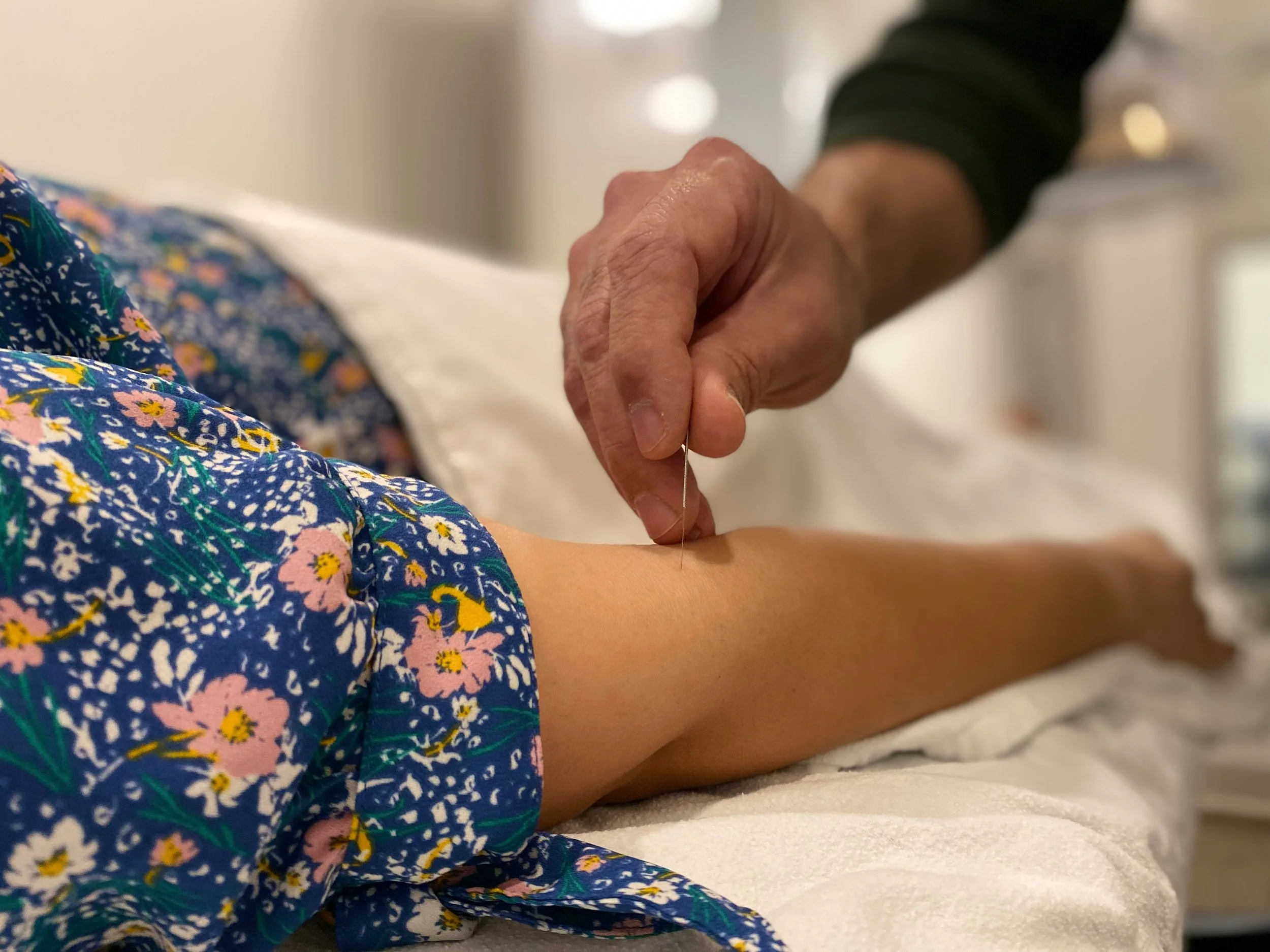
If you have ever felt your heart race, your thoughts spiral, or your body tense up for no clear reason, you are not alone. Anxiety is one of the most common reasons people seek acupuncture, and one of the most misunderstood conditions in general healthcare. This post is a starting point for understanding what anxiety actually is, what is happening in your body when it shows up, and what a whole-body approach to relief can look like.
Signs and Symptoms
Anxiety shows up differently for everyone, but common signs include:
Racing heart or heart palpitations
Shallow or rapid breathing
Muscle tension, particularly in the neck, shoulders, and jaw
Digestive disturbances including nausea, bloating, or changes in appetite
Difficulty falling or staying asleep
Irritability, restlessness, or difficulty concentrating
Fatigue, especially after periods of high stress
If several of these feel familiar, your nervous system may be stuck in a state of chronic activation.
What Is Happening in the Body
When the brain perceives a threat, real or imagined, it triggers the sympathetic nervous system, commonly known as the fight or flight response. Blood rushes to the muscles, heart rate increases, digestion slows, and the body prepares to respond to danger.
This response is useful in acute situations. The problem arises when it becomes chronic. When the stress response is overengaged, the body remains in a state of high alert even when there is no immediate threat. Over time this places significant strain on the cardiovascular system, digestive function, immune health, hormonal balance, and emotional regulation.
What Traditional Chinese Medicine Sees
TCM approaches anxiety not as a single diagnosis but as a pattern of imbalance unique to each person. Two people experiencing anxiety may present with entirely different patterns, which is why treatment is always individualized. Common threads include disruptions in the flow of Qi, depletion of nourishing substances that calm the mind, and imbalances in the organ systems most associated with emotional regulation, particularly the Heart, Liver, and Kidneys.
How Acupuncture Helps
Acupuncture works directly on the nervous system. Research supports its ability to decrease sympathetic nervous system activity, the fight or flight response, while increasing parasympathetic activity, the rest and digest state. This shift is often felt during and immediately after treatment as a deep sense of calm and release.
Beyond the nervous system, acupuncture addresses the underlying TCM patterns driving anxiety, supports the organ systems involved, and helps regulate the stress hormones that keep the body in overdrive.
Breath Exercises to Activate the Parasympathetic System
Breathwork is one of the fastest ways to manually shift out of fight or flight and something you can begin today. A few practices to try:
4-7-8 Breathing: Inhale for 4 counts, hold for 7, exhale for 8. The extended exhale activates the vagus nerve and signals safety to the nervous system.
Box Breathing: Inhale for 4, hold for 4, exhale for 4, hold for 4. Used by athletes and first responders to regulate acute stress.
Diaphragmatic Breathing: Place one hand on your belly and breathe so that it rises before your chest. Even five minutes daily can reduce baseline anxiety over time.
Foods That Support a Calm Nervous System
What you eat directly affects your stress response. Foods that nourish the nervous system and support anxiety include:
Leafy greens: rich in magnesium, which regulates the stress response
Walnuts and fatty fish: high in omega-3s that reduce neuroinflammation
Fermented foods: support the gut-brain connection
Oats and whole grains: stabilize blood sugar, reducing mood fluctuations
Dark chocolate: contains magnesium and compounds that support serotonin production
Limit caffeine, alcohol, and refined sugar, all of which amplify the stress response.
Essential Oils as Supportive Tools
Aromatherapy is a gentle and accessible complement to the practices above. It is not a replacement for treatment, but used consistently it can support nervous system regulation between acupuncture sessions. Oils with calming and grounding properties include:
Lavender: widely studied for its calming effects on the nervous system
Frankincense: grounding and supportive for breath regulation
Bergamot: mood lifting and calming
Vetiver: deeply grounding, useful for racing thoughts
Clary Sage: supports hormonal balance and emotional steadiness
Diffuse, apply diluted to pulse points, or add to a warm bath.
Bottom Line
Anxiety is treatable. Understanding it as a physiological pattern, not just a mental state, opens up a wider range of tools for addressing it. Acupuncture, combined with breathwork, nutritional support, and lifestyle adjustments, offers a comprehensive and individualized path toward lasting relief. This post is the starting point. Your body and your patterns are the map.
Ready to explore what your anxiety looks like from the inside out? Book an appointment and we can look at this together.